F1 Studio
←所有资讯 / All News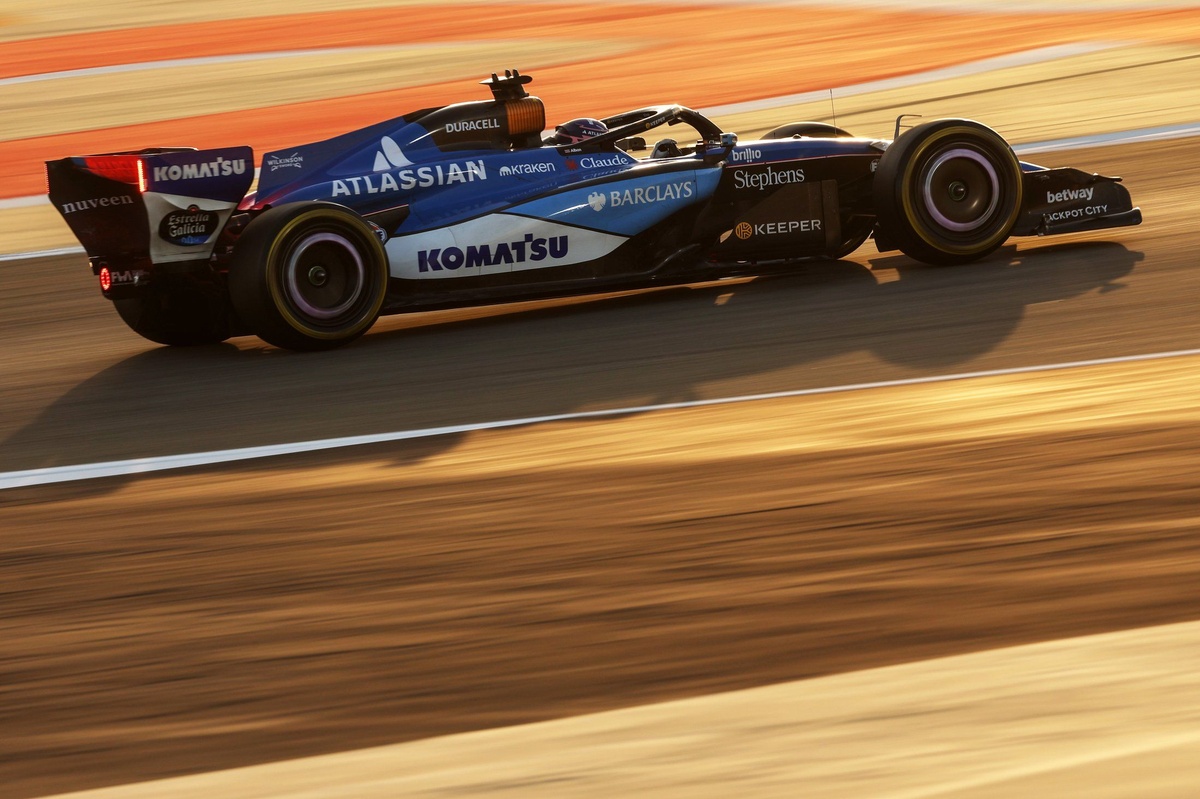 阅读原文 / Read Original↗
Autosport
Autosport解读视频:新F1赛车将对车手构成怎样的挑战
Summary
The 2026 Formula 1 cars will present drivers with a significantly different challenge compared to previous generations, requiring not only natural aptitude and quick reflexes but also enhanced mental acuity and bandwidth to extract maximum performance from the new machines. Autosport visited the Williams F1 team at its Grove headquarters to speak with simulator driver Harrison Scott about the intricacies of the new-for-2026 cars and what it will take for drivers to succeed.
Details
Harrison Scott provided insight into how the driving experience with the 2026 cars differs from older Formula 1 machinery, highlighting the unique demands these new machines place on drivers. He explained that both drivers and engineers will face additional challenges throughout the season as they work to adapt to the revised powertrains and their characteristics. Scott also outlined how his work in the simulator will enable Williams' race team to gather valuable data and test various setup options before the cars reach the circuit.
What's Next
As the 2026 season approaches, teams will continue to rely heavily on simulator work to understand the limitations and capabilities of the new regulations. The adaptation process will be ongoing throughout the championship year, with engineers and drivers collaborating to optimize performance. Success will ultimately depend on which drivers and teams can most effectively manage the mental demands and technical complexities of these revolutionary new cars.